

Most players searching for padel tips are trying to fix the wrong thing. They spend the session chasing cleaner winners, heavier overheads, and bigger swings when the real leak is usually position.
The players who improve fastest are the ones who stop making the same 3 or 4 structural errors every point. They get forward earlier, move with their partner, make opponents hit upward, and reset before the next rally starts. The shot quality follows.
Quick answer: The fastest way to improve at padel is to prioritize positioning over power, especially getting to the net after every serve and keeping both players forward together. The tips below move from highest-impact habits to shot-specific adjustments and mental routines you can use in your next session.
If you are still learning what padel is and how the game works, it helps to understand one main idea before anything else: padel is a doubles-first sport built around court position, glass use, and controlled pressure.
Padel improvement priorities at a glance
Use this table as the order of operations. Fix the top rows first. They carry more points than a prettier smash.
| Priority | What to fix | Why it matters | Practice focus |
| 1 | Net movement | Controls time and space | Move forward after serve |
| 2 | Compact technique | Reduces timing errors | Shorter backswing |
| 3 | Lob quality | Moves opponents back | Depth over height |
| 4 | Wall reading | Turns defense into control | Predict the rebound |
| 5 | Partner shape | Closes middle gaps | Move as a pair |
| 6 | Mental reset | Stops error chains | One cue word |
The one principle behind faster padel improvement
The team at the net wins more points in padel. That is the spine of the sport. FIP keeps the official rules and documents for padel, but the on-court pattern is easy to see: the attacking team controls time and space from the front, while the defending team survives from the back. You can review the official framework through FIP documents when you need the rules behind the game.
For everyday players, though, the idea is easy to remember: every good habit should help you get to the net, stay at the net, or push your opponents back so you can take the net again.
That is why tactical improvement often matters more than hitting harder. A player with clean positioning, patient shot selection, and strong partner movement will usually beat a player who only has power.
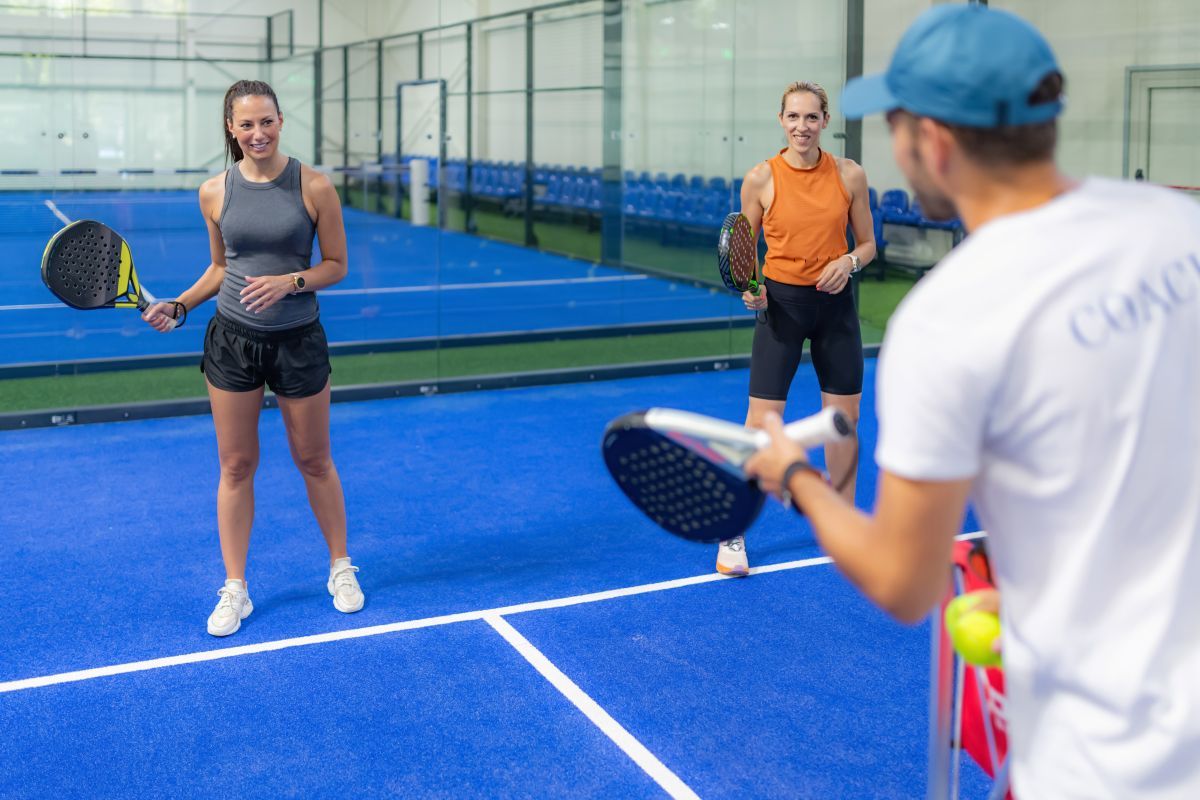
1. Move to the net after every serve, together
After you serve, both players should move forward together and stop in a balanced ready position about 2 to 3 meters behind the net.
The serve in padel is a setup shot. Aces are rare, so the real point usually starts when the return comes back. If you are still parked near the baseline when that return arrives, you have already given away the front of the court.
Move in as the serve travels across the court. Do not sprint into the tape. Get forward, split step, and make the returner beat 2 balanced players instead of 1 moving target and 1 spectator.
Practice it: After your next serve, take 2 deliberate steps forward and hold the ready position. Do it on every serve for 1 full session, even when it feels early.
2. Shorten your backswing before you add power
The most common technical error in padel is a backswing built for tennis.
A long take-back gives you more moving parts, more timing problems, and more frame errors on fast balls or wall rebounds. Padel gives you less space and less time than tennis, so the racket needs to start closer to the contact point.
Keep the racket in front of your body, around chest to shoulder height. Padel volleys can be described as short, sharp reactions with a shorter racket path, which is exactly the model most recreational players need first.
This is also one of the main differences for players comparing padel vs tennis. Tennis often gives players more room for longer swings, while padel rewards quicker preparation and cleaner control.
Practice it: During warm-up, keep the racket no higher than your shoulder on every groundstroke and volley. If the swing feels strangely small, you are probably closer to the right shape.
3. Use the lob as an attacking shot
The lob is not just a panic ball.
At recreational level, it is often the fastest way to take the net back. A good lob forces both opponents to retreat, breaks their attacking position, and gives your team time to move forward.
The target is the back third of the court. You want the ball to bounce deep and come off the back glass at a height that makes the opponent retreat or hit an awkward overhead.
Practice it: When both opponents are at the net, choose the lob instead of the flat groundstroke on your next defensive ball. Aim deep, not just high.
4. Read the wall before the ball gets there
Beginners react to the glass. Better players read it early.
The back glass is more predictable than it feels at first. A straight ball tends to rebound straight. An angled ball produces an angled exit. Your job is to move toward the likely intercept point before the rebound happens.
This is where padel becomes different from open-court racket sports. The wall gives you extra time only if your feet move early enough to use it.
For a fuller breakdown of rallies, rebounds, and basic point construction, it helps to study how to play padel alongside your on-court practice.
Practice it: Spend 15 minutes feeding balls near the back wall. Call the rebound direction out loud before the ball reaches the glass, then play the ball softly back.
5. Aim at your opponents feet, not their chest
The best volley target is low, at the feet of the player in front of you.
A ball at foot height forces the opponent to hit upward. That upward contact gives you a weak ball to attack or a lob you can read. A ball at chest height gives them a comfortable volley.
The mistake is trying to hit harder. Reduce pace and use a controlled downward angle. A firm ball aimed near the service line often lands right where the net player least wants it.
Practice it: On every net volley in your next game, aim for the opponent service line. Count how many balls land low enough to force an upward reply.
6. Stop splitting away from your partner
Padel doubles breaks down when partners move like 2 singles players.
Move as a pair. If one player slides left, the other shades left. If one player has to retreat, the other should read the same danger and drop with them. The middle of the court cannot stay open.
This is one of the easiest errors to see and one of the hardest habits to fix. Players chase the ball and forget the team shape. The opposing team sees the gap before you do.
If you are new to doubles movement, the basics of getting started playing padel can help you connect technique, positioning, and match habits without overcomplicating the game.
Practice it: Before each point, agree who covers the middle on common patterns. During the rally, call one-word cues like back, up, left, or middle.
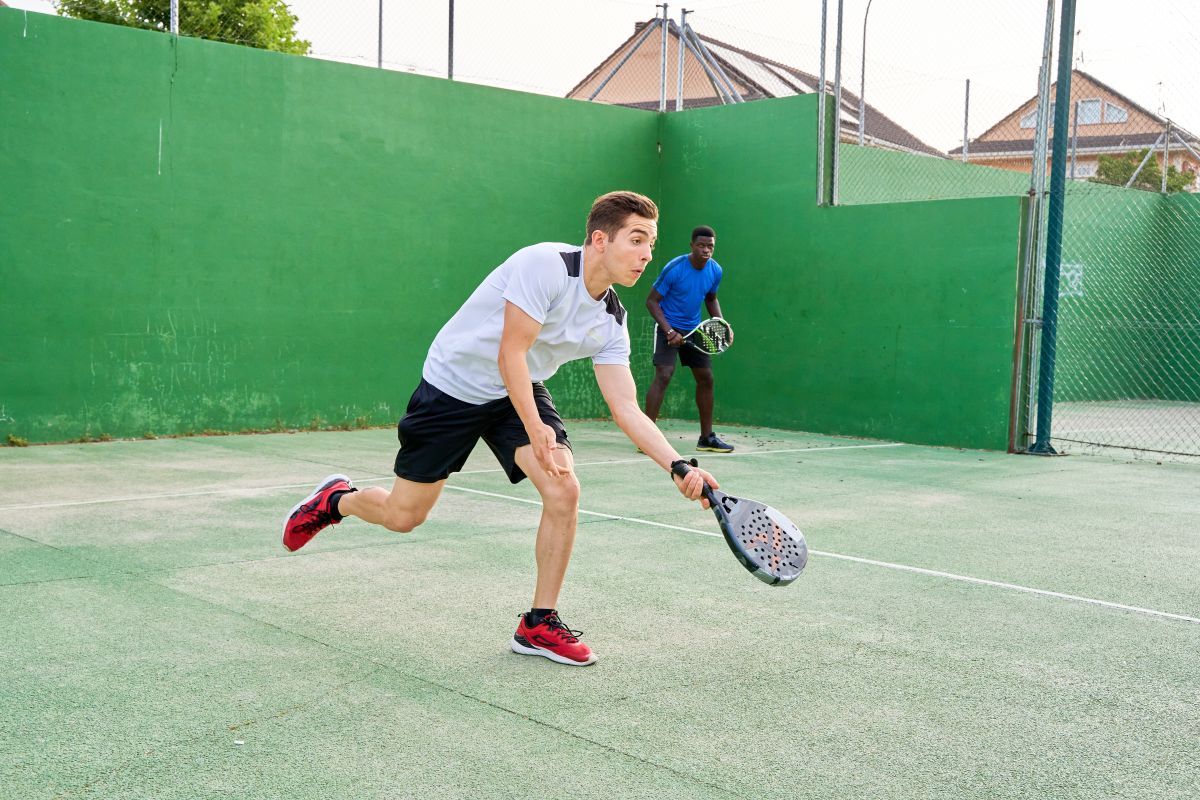
7. Serve to the back glass seam
Do not treat the serve like a power contest.
A low, accurate serve near the seam where the floor meets the back glass is harder to attack than a faster serve into the middle of the box. It limits the returners angle and buys you time to move forward.
The serve has one main job: start the point on your terms. If your serve forces a low or rushed return, your team can claim the net before the rally opens up.
The serve is also easier to understand when you know the core padel rules, especially the underhand service motion, bounce requirement, and valid service box.
Practice it: On every second serve in your next session, aim near the far corner of the service box by the glass seam. Track how often the returner attacks cleanly.
8. Use the return to get both players forward
The return is a positioning shot before it is an attacking shot.
A low return at the server feet forces the serving team to hit upward. That gives you and your partner a window to move forward instead of staying trapped at the back.
Do not chase return winners. The better target is a controlled, low ball that keeps the serving team from taking the first comfortable volley.
Practice it: For 1 full set, judge every return by whether it forces the serving team to hit up. Winners do not matter for this drill.
9. Choose equipment that supports control
Better equipment will not fix poor positioning, but the wrong equipment can slow your progress.
Beginners usually benefit from a racket that offers control and comfort instead of maximum power. Shoes matter too. Padel includes quick turns, short sprints, and side-to-side recovery steps, so grip and support are important.
A simple padel equipment setup should match your level, not your ego. For many players, that means a forgiving racket, suitable balls, and shoes built for the court surface. If you are deciding what to wear on court, the differences between padel shoes vs tennis shoes are worth checking before you buy.
Practice it: Before your next match, check whether your shoes grip well during side steps and whether your racket feels easy to control on volleys and lobs.
10. Understand how the ball changes the game
Padel balls and tennis balls look similar, but they do not always play the same way.
A ball with the right pressure and bounce helps rallies feel controlled. A ball that is too lively, too flat, or not suited to padel can change timing, wall rebounds, and overhead decisions.
This matters because improvement depends on repeatable practice. When the ball behaves consistently, you can read rebounds, measure lobs, and judge volley depth more accurately. The details in a padel ball vs tennis ball comparison can help explain why the right ball makes practice feel more predictable.
Practice it: Use the same type of ball across several practice sessions so your timing and wall reads become easier to measure.
11. Play one level above your comfort zone
You improve faster when the game moves slightly too fast for you.
The key word is slightly. Players one level above you force quicker decisions, better movement, and cleaner positioning. Players two or three levels above you may end rallies before you can learn from them.
Playing only with peers creates comfort. You need some sessions where your habits are exposed, then other sessions where you can fix those habits under less pressure.
Practice it: Book one session per week with players who stretch you. Use your next easier session to practice the exact weakness that appeared.
Organized play through Bounce can make it easier to find sessions, clubs, and players that match your level.
12. Build a between-point routine
One mistake should not become 3.
Most club players lose points in clusters because they carry the last error into the next rally. A routine interrupts that chain. Turn away from the net, breathe, say 1 cue word with your partner, then face forward again.
The cue word matters less than the repeatable action. Reset, forward, patient, or feet can all work if both players know what it means. The Padel School treats the mental side of padel as a real part of improvement, not an afterthought.
Practice it: Choose 1 cue word before the match. Use it after every point, won or lost, so it becomes automatic before pressure shows up.
For players who want coaching that covers the tactical and mental side of the game, Bounce connects you with certified coaches and organized sessions in your city.
A cleaner way to choose what to practice next
Do not try to fix all 10 tips in 1 session. Pick the highest leak in your game and stay with it for a week. If you are losing the net constantly, work on serve movement and lobs. If rallies fall apart after one error, work on the between-point routine.
Players coming from pickleball will recognize some shared ideas around early positioning and controlled returns. This beginner pickleball tips guide is useful if you play both sports and want the crossover principles without confusing the rule sets.
For advanced players, the lesson is still the same: better technique only matters when it survives pressure. The same theme shows up in these court lessons from high-level play, where positioning and decision-making carry more value than isolated shot quality.
For new players who want a second technical reference, the LTA also lists basic padel positioning and beginner skill priorities, including control, footwork, and learning to use the glass.
If you are losing the net constantly, work on serve movement and lobs. If you make too many rushed errors, shorten your swing. If rallies fall apart after one mistake, build a between-point routine. If the middle keeps opening, work on partner movement.
Here is a simple weekly plan:
| Day | Focus | What to measure |
| Session 1 | Serve and move forward | Did both players reach the net? |
| Session 2 | Lobs and wall reads | Did the lob push opponents back? |
| Session 3 | Volleys at feet | Did opponents hit upward? |
| Session 4 | Match routine | Did errors come in smaller clusters? |
Good practice is not random. It should connect one clear goal to one clear measurement.
Conclusion
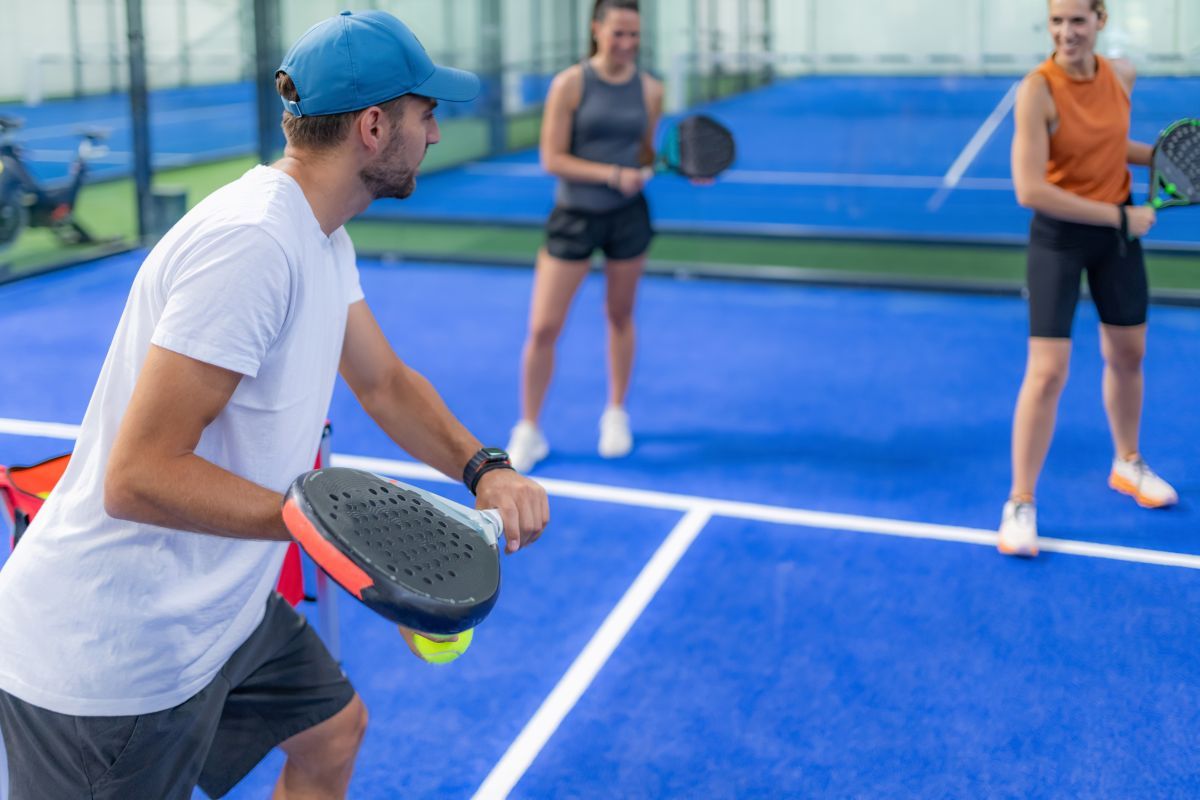
Padel improvement starts with net control. Get forward, move with your partner, make opponents hit upward, and use the lob when you need to take the front of the court back.
Shot technique still matters. But technique matters most when it supports the bigger pattern. A compact swing, low volley target, controlled return, and better wall read all serve the same purpose: they help your team control the next ball.
For players who want structured coaching to apply these tips with personal feedback, Bounce connects you with certified coaches, clubs, and organized sessions in your city.


